
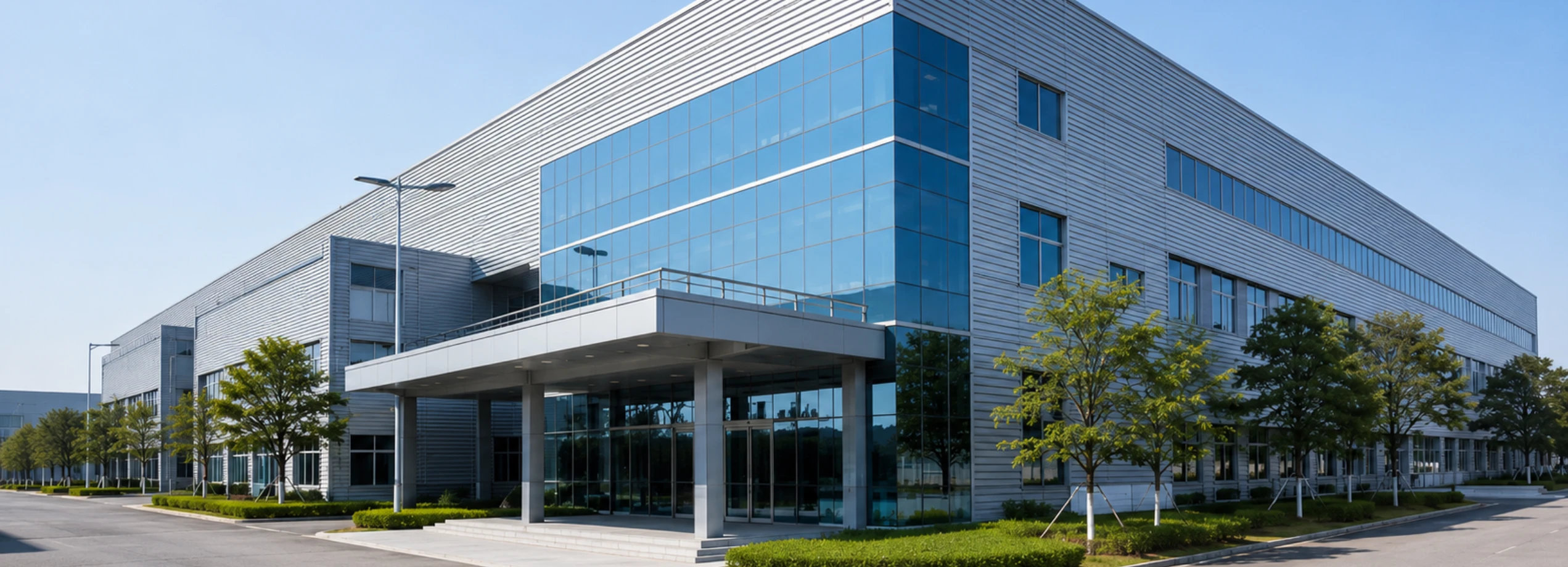
As the core carrier of the digital economy, data centers are equipped with a large number of non-linear power loads such as servers, UPS power supplies and refrigeration units.
1. Background
As the core carrier of the digital economy, data centers are equipped with a large number of non-linear power loads such as servers, UPS power supplies and refrigeration units. When operating, these equipment continuously generate power harmonics including the 3rd, 5th and 7th orders, accompanied by power quality problems such as reactive power imbalance and voltage fluctuation, which seriously threaten the stability of the power supply system. The application of Static Var Generator (SVG) in power harmonic control of data centers needs targeted deployment based on the power distribution architecture and load characteristics of data centers. Generally, a high-voltage/low-voltage SVG combined deployment scheme is adopted. SVG equipment with corresponding capacity is installed at the key nodes of 10kV high-voltage power distribution busbars and low-voltage power distribution cabinets in data centers, realizing millisecond-level response to power grid status relying on IGBT power modules and instantaneous reactive power control technology. By real-time monitoring of power grid harmonic current and reactive power parameters, it actively generates and injects compensation current reverse to the harmonic components, accurately offsets harmonic interference generated by loads, dynamically compensates reactive power, and simultaneously completes harmonic control, reactive power compensation and three-phase unbalance adjustment. It fully adapts to the 24-hour uninterrupted operation and dynamic load power fluctuation of data centers, and can be integrated into the existing power distribution system without shutdown and reconstruction.

2. Solutions
The application of SVG fundamentally solves many potential risks caused by power harmonics in data centers. Firstly, it thoroughly reduces the total harmonic distortion (THD) of the power grid, controls the harmonic content within the national standard range, avoids overheating and aging of transformers and cables, and insulation performance degradation caused by harmonics, eliminates potential safety hazards such as equipment short circuit and burnout, and prolongs the service life of power equipment. Secondly, it dynamically stabilizes the power grid voltage, suppresses voltage flicker and drop, and avoids downtime, data packet loss and operation lag of servers and storage devices due to abnormal voltage, ensuring the continuous operation of data center services. Thirdly, it greatly improves the system power factor to above 0.95, reduces reactive power loss, cuts down line transmission energy consumption and electricity costs, and meets the operation needs of data centers for green energy saving, cost reduction and efficiency improvement. Fourthly, it eliminates maloperation of relay protection devices and metering deviation of measuring instruments caused by harmonics, ensures the accurate operation of the protection mechanism of the power distribution system, avoids the expansion of power failures, and guarantees the accuracy of electricity cost accounting.
3. SVG benefits and efficiency
In summary, with the advantages of fast response, precise control and multi-function collaboration, SVG has become the core solution for power harmonic control and power quality optimization of data centers. It can not only efficiently eliminate harmonic interference and resolve various power safety hazards, but also help data centers achieve energy saving, consumption reduction and stable operation. It adapts to the high-reliability power demand of a new generation of green data centers and intelligent computing centers, and builds a solid power guarantee for the sustainable and stable operation of data centers and the support for the development of digital industry.